
The Research Corporation of the University of Hawai‘i (RCUH) was established by the Hawaiʻi State Legislature in 1965 as a public instrumentality and is attached to the University of Hawai‘i for administrative purposes.
With a core staff of less than 40 full-time employees, RCUH supports more than 3,000 active research and training projects across the state. These projects create 2,500+ jobs that stimulate Hawai‘i’s economy, advance knowledge, and tackle both local and global challenges.
To support and enhance research, development, and training in Hawai‘i, with a focus on the University of Hawai‘i.
A Hawai‘i where research, development, and training flourish and energize a prosperous state economy.
RCUH Core Staff strive to provide efficient and responsive customer service for researchers across the state.
RCUH is supported by a team of approximately 34 full-time employees. To view the various sections in each department, please click on the “Contact Us” page. RCUH’s full staff directory is also available in the RCUH Financial Portal, HR Portal, and Employee Self-Service.

For section contact information, please visit the Contact Us page.
To fulfill its mission, RCUH is exempt from certain state procurement and personnel laws. This allows RCUH to provide rapid and efficient financial and human resources services which enable its clients to be more productive and to meet their research and training objectives in a timely manner. For more info about RCUH, view our “Introduction to RCUH” presentation.
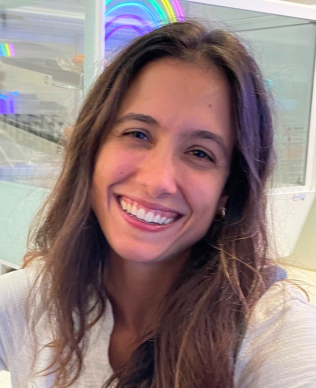
Giovana immersed herself in biomedical research and soil microbiology and thanks to her analysis, researchers are better able to identify which microbes contribute to healthier soils. Giovana also took the lead in researching, planning, and installing a new agroforest for the Soil Microbial Ecology Lab. Today, the site contributes to long-term research exploring how low-input agriculture could help Hawaiʻi grow more of its own food.
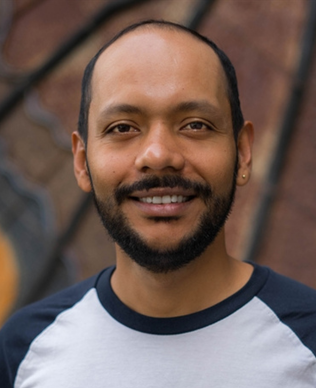
Roshan studies soil health and sustainable ways to manage agricultural pests in CTAHR’s Sustainable Pest Management Lab. In order to better understand nematodes (microscopic roundworms), Roshan taught himself new molecular techniques and began incorporating DNA-based analysis into the lab's work. These modern techniques can reveal bacteria, fungi, nematodes, and other organisms in the soil’s makeup, providing a broader picture of what's truly happening within the soil.
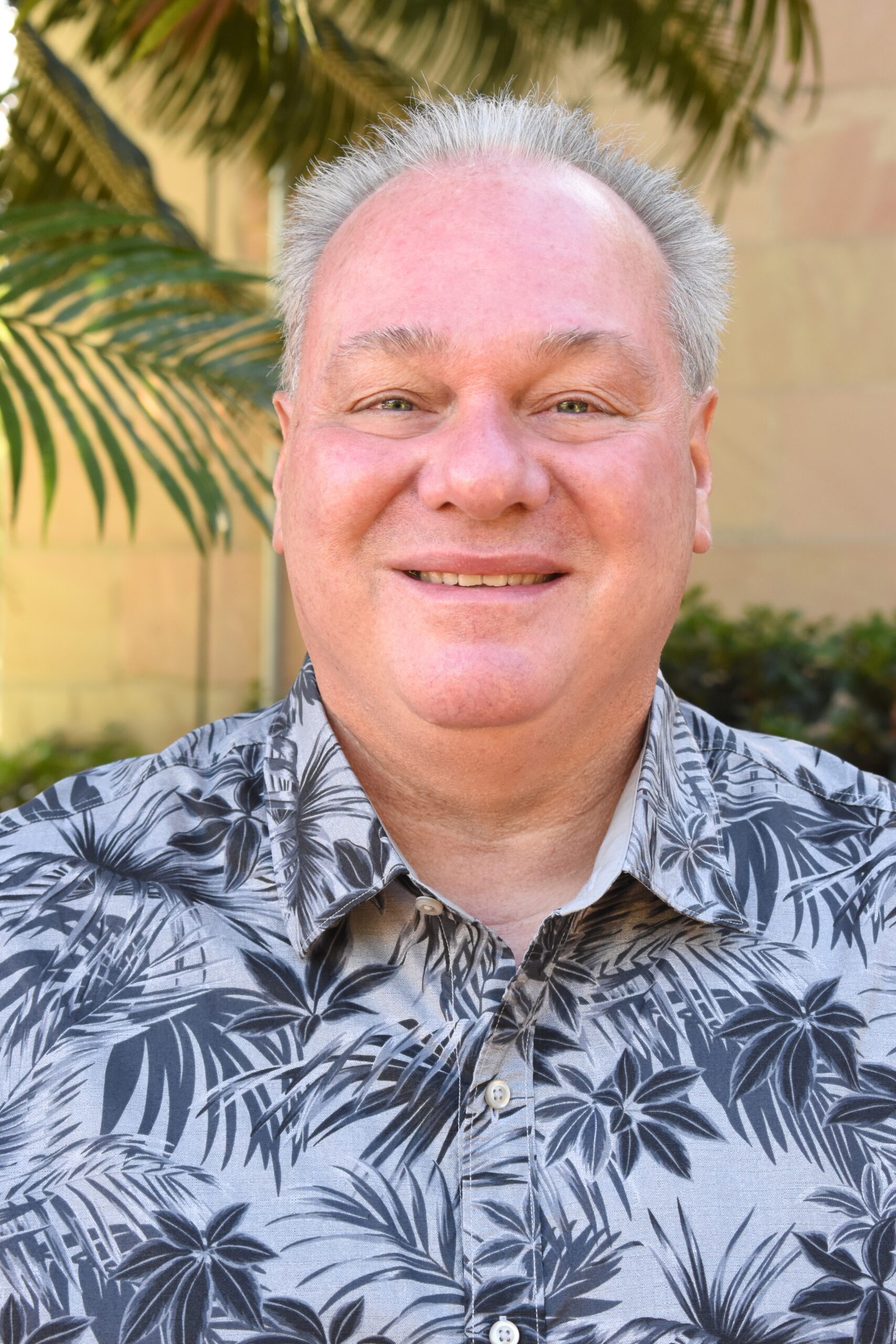
Maui High Performance Computing Center
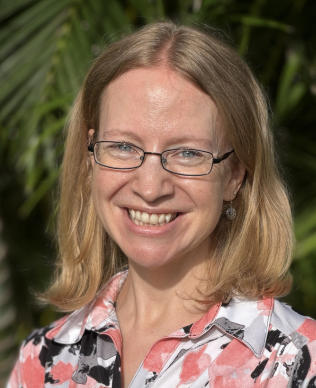
UH Cancer Center
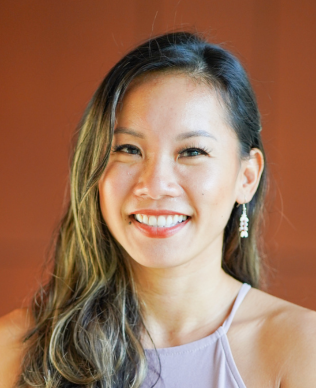
Since joining the lab in 2018, En has led the Body Composition Laboratory, supporting multiple research studies. En’s expertise has also taken her around the globe. She’s traveled to three African nations to train technologists and cross-calibrate equipment for an international pediatric HIV study. A similar effort done remotely had taken about 18 months, but En completed the work on-site in just four weeks.
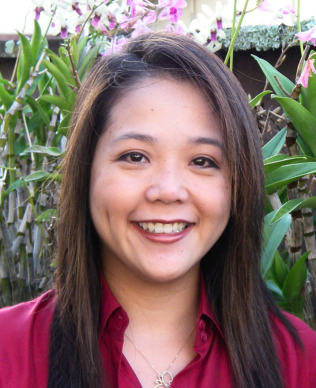
Cami supports nearly every part of the SimTiki Simulation Center—from processing faculty appointments and managing international scholar programs to preparing course materials and offering simulation support. She helps scholars navigate J-1 visa requirements, making sure the right documents are in place and coordinating each step of the process. As immigration requirements and circumstances change, Cami stays current and keeps things moving.
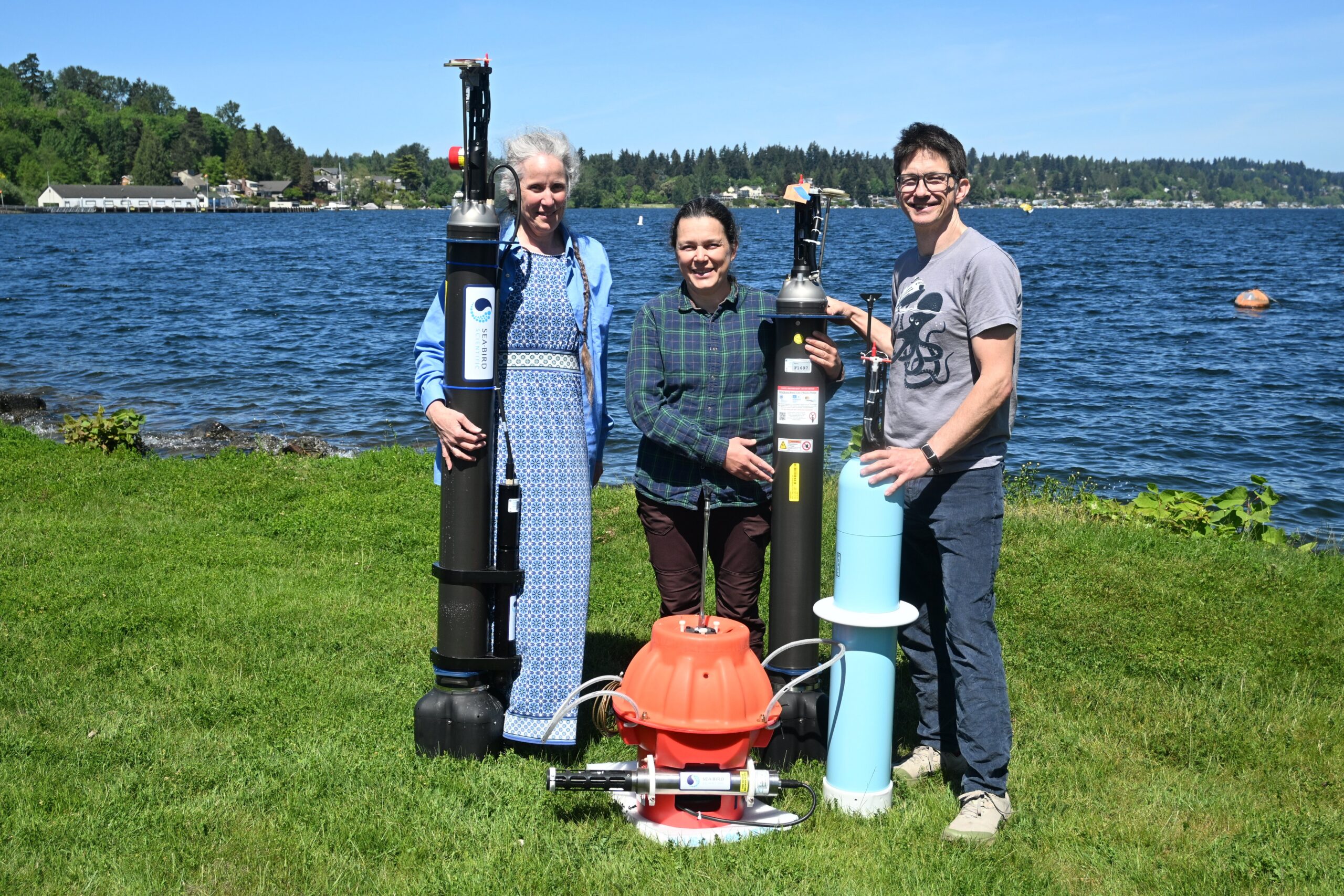
At NOAA's Pacific Marine Environmental Laboratory, CIMAR employees Hristina, John, and Elizabeth help manage data from more than 1,500 Argo floats, in addition to supporting 75 to 100 float deployments a year. Each individual plays a critical role in ensuring the continuity of high-quality observations that capture temperature and salinity profiles from the ocean’s surface to 2,000 meters deep.
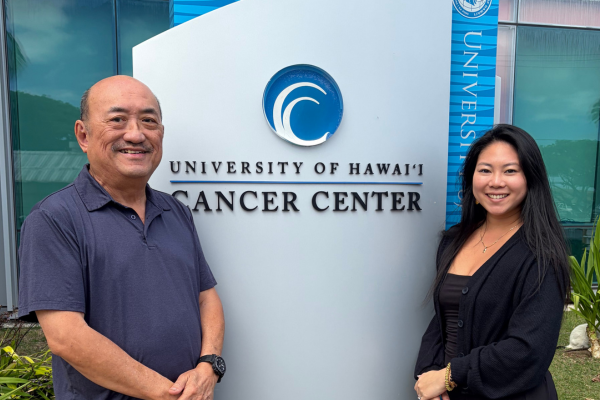
In a profession known for high turnover and workforce instability, James and Courtney have provided years of continuity, expertise, and leadership for the Clinical Trials Office. With more than 30 years at the Cancer Center, James is a trusted resource for addressing and communicating clinical and research questions, while Courtney works closely with patients and hospital partners, coordinating studies across clinical sites.
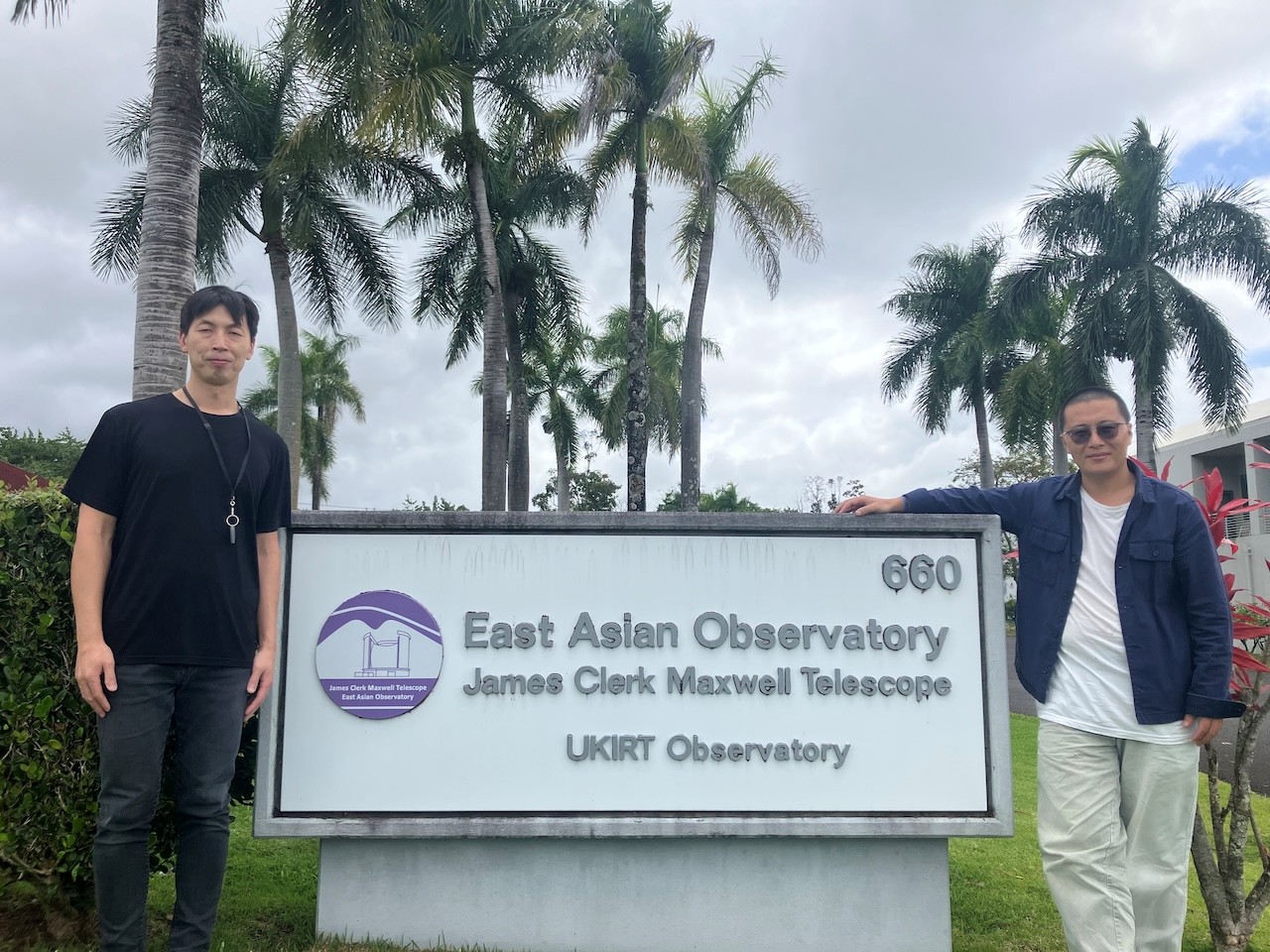
Kuan-Yu Liu, Shaoliang Li
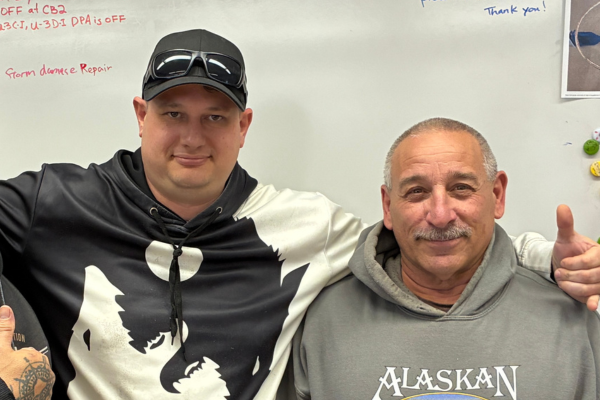
Michael Kerns, James Ferreira

